


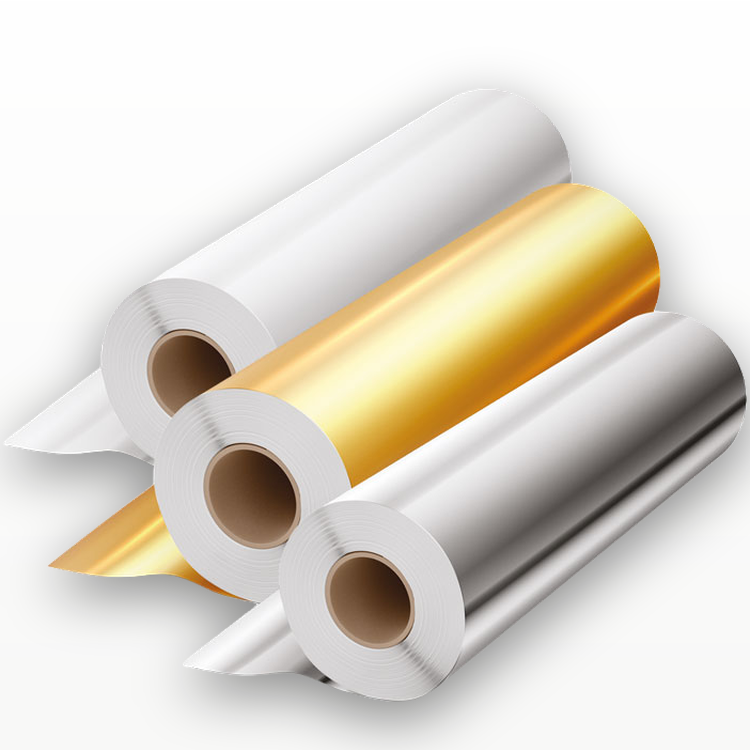
Application Areas
- Food packaging lamination production
- Industrial and chemical product packaging
- Cosmetics and personal care product packaging
- Medical packaging lamination
- Flexible pouch and doypack production
- Lidding and closure lamination for jars
- Printed and unprinted roll interlayers
Technical Features
- Multi-layer lamination interlayer reel film
- Solvent-based, solventless and water-based lamination compatibility
- High-resolution pre-print surface treatment
- Thickness consistency within ±2% tolerance
- Standard and custom reel widths (up to 1400 mm)
- One side Corona treatment for Flat films
Corona treatment optimises the surface to accept printing inks and lamination adhesives.
Film & Material Options
- LDPE / LLDPE — general-purpose lamination layer
- Multi-layer coex film structure for all kind of lamination applications
- Metallised and barrier-coated films — high-barrier applications
- Up to 8-colour flexo printing — pre-lamination multi-layer printing
Films for Lamination: Polyethylene Reel Stock for Multi-Layer Flexible Packaging
In multi-layer flexible packaging, each layer contributes a specific function—barrier, strength, printability, or sealability—that no single material can deliver alone. Films for lamination in polyethylene serve as the critical seal and moisture-barrier layer in these composite structures, bonded to PET, BOPP, aluminium foil, or paper substrates through adhesive or extrusion lamination processes. The PE layer enables the final package to be heat-sealed on filling machines while contributing moisture protection, flexibility, and puncture resistance to the overall laminate construction.
Aydoğan Plastik manufactures polyethylene lamination base film products on film extrusion lines configured for the specific surface treatment, thickness tolerance, and reel-format requirements that PE laminating reel and sealant layer film applications demand. Our films feed directly into customers’ lamination lines as well as our own in-house laminating operations, ensuring compatibility is verified at both ends of the supply chain.
Applications Across the Lamination Sector
Food Packaging Laminates
Snack pouches, coffee sachets, spice packets, sauce sachets, and ready-meal lidding films all use PE as the inner sealant layer in multi-layer laminate structures. The PE layer provides the heat-seal function that closes packages on vertical and horizontal form-fill-seal machines, while outer layers (printed PET, BOPP, or metallised film) contribute barrier, rigidity, and visual appeal. Our flexible packaging substrate films are produced from food-grade resins with controlled corona treatment levels that ensure strong adhesive bond formation during the lamination process.
For extended-shelf-life food products, our PE sealant films can be formulated with enhanced moisture-barrier properties that complement the oxygen barrier provided by metallised or EVOH-containing outer layers. This synergistic approach delivers the complete barrier package that ambient-stable food products require without the cost of aluminium foil in the structure.
Pharmaceutical and Medical Laminates
Sachet packaging for powder medications, granule supplements, and single-dose medical products uses PE sealant layers laminated to printed foil or paper substrates. The PE layer must deliver controlled peel-seal performance—strong enough to maintain sterility during distribution, yet peelable for convenient patient or clinician access. Our pharmaceutical-grade adhesive lamination film products provide the consistent peel-force range that medical packaging specifications demand, produced from virgin resins with full batch traceability and regulatory documentation.
Industrial and Agricultural Laminates
Fertiliser sacks, animal feed bags, and industrial chemical packaging frequently use PE film laminated to woven PP or paper outer layers. The PE provides moisture barrier and heat-seal capability while the outer substrate delivers mechanical strength and printability. Our heavy-gauge lamination films (40–120 microns) are formulated for the aggressive chemical environments encountered in fertiliser and chemical packaging, where product-film compatibility is a critical qualification requirement.
Hygiene and Personal Care Laminates
Wet wipe pack films, diaper backsheet laminates, and sanitary product wrapping use PE layers laminated to nonwoven, breathable film, or printed substrates. These applications often require PE films with specific breathability, softness, or noise characteristics that influence the end consumer’s sensory experience. Our co-extrusion capability allows us to tailor the PE layer’s properties—seal strength, stiffness, slip, COF—to the specific requirements of each hygiene laminate application.
Decorative and Protective Laminates
Paper-PE laminates for book covers, poster protection, menu cards, and document encapsulation use thin PE layers that add moisture resistance and durability to paper substrates. These applications prioritise optical clarity, bond uniformity, and surface smoothness—any haze, fish-eyes, or gel particles in the PE layer are visible through the transparent laminate and constitute quality defects. Our optical-grade lamination films achieve the clarity and surface quality standards that decorative laminating applications demand.
Technical Specifications
Film Thickness and Material
Lamination PE films range from 15 to 120 microns. Thin sealant layers for food sachets use 15–30 microns, standard pouch and bag laminates 30–60 microns, and heavy-duty agricultural and industrial laminates 60–120 microns. Our co-extrusion lines produce multi-layer PE structures where the seal layer provides heat-seal performance, the core layer delivers mechanical properties, and the bond layer ensures strong adhesion to the laminating substrate.
Material options include LDPE for flexibility and broad sealing windows, LLDPE for puncture resistance and seal toughness, mLLDPE (metallocene) for low seal-initiation temperatures and hot-tack, and HDPE for moisture barrier. Custom blends are formulated based on each laminate structure’s specific performance requirements and converting-line parameters.
Corona Surface Treatment
Adhesive lamination requires the PE film surface to be corona-treated to a specific surface energy level—typically 38–42 dyn/cm—that ensures uniform adhesive wetting and strong inter-layer bond formation. Our extrusion lines apply inline corona treatment at controlled intensity, and quality control measures surface energy on every reel using dyne-pen and contact-angle methods. Treatment uniformity across the reel width is verified to prevent localised delamination in the finished product.
Reel Format and Tolerances
Lamination films are supplied on reels with specifications matched to customers’ laminating equipment. Core diameters (3-inch and 6-inch standard), reel widths (100–1500 mm), and maximum reel diameters are configured to each customer’s machine parameters. Winding tension is controlled to prevent telescoping and winding defects that cause feed problems on laminating lines. Our slitting lines produce reels with the width tolerance (±1 mm) and edge quality that high-speed lamination demands.
Seal Performance
The PE layer’s primary function in most laminates is heat-sealing. Seal-initiation temperature, seal strength, hot-tack, and contamination tolerance are specified by the converter based on their filling-line parameters and product requirements. Our seal-layer formulations are customisable across these parameters, and quality control testing includes seal-curve analysis (seal strength vs. temperature) that provides converters with the data they need to optimise their sealing-jaw settings for each film specification.
Quality and Traceability
Lamination film is a semi-finished product that enters the customer’s own converting process—any quality defect in the PE film becomes a defect in the customer’s finished product, often discovered only after the laminate has been printed, slit, and converted into bags or pouches. This downstream cost amplification makes incoming quality critical. Our ISO-certified quality system delivers the batch traceability, documented test results, and consistent reel-to-reel performance that laminating converters require to run their lines with confidence.
Printing Compatibility
While most lamination films are used as unprinted sealant layers, some structures require reverse-printed PE where the print is trapped between the PE and the laminating substrate for abrasion-proof graphics. Our flexo printing capability supports up to 8-colour reverse printing with the ink adhesion and register accuracy that trapped-print lamination demands. Our graphic design team manages artwork preparation for reverse-print specifications where mirror-image plates and reversed colour sequences are required.
Production Process
Our integrated facility manages the complete lamination film workflow: extrusion with inline corona treatment, printing where specified, slitting to customer reel widths, and in-house lamination for customers purchasing finished laminate structures rather than PE reel stock. Every batch passes quality control testing for thickness, corona level, seal curve, and optical properties. Production waste is recycled via our recycling facility. Products ship from warehousing and shipping. Visit about us or contact us for technical specifications and trial reels.
Frequently Asked Questions
What film thickness range is available?
15–30 microns for thin sealant layers, 30–60 microns for standard laminates, and 60–120 microns for heavy-duty industrial applications.
What corona treatment level is achieved?
38–42 dyn/cm inline treatment with reel-by-reel verification for consistent adhesive bond strength across the lamination process.
Can seal-layer properties be customised?
Yes, seal-initiation temperature, hot-tack, seal strength, and contamination tolerance are tailored to each converter’s line parameters.
What reel formats are available?
3-inch and 6-inch cores, widths from 100 to 1500 mm, with controlled winding tension and ±1 mm width tolerance.
What is the minimum order quantity?
Varies by film gauge, reel width, and formulation complexity. Trial reels are available for lamination qualification. Contact our team for details.